IGU-CGE Conference
Keynote Speakers:
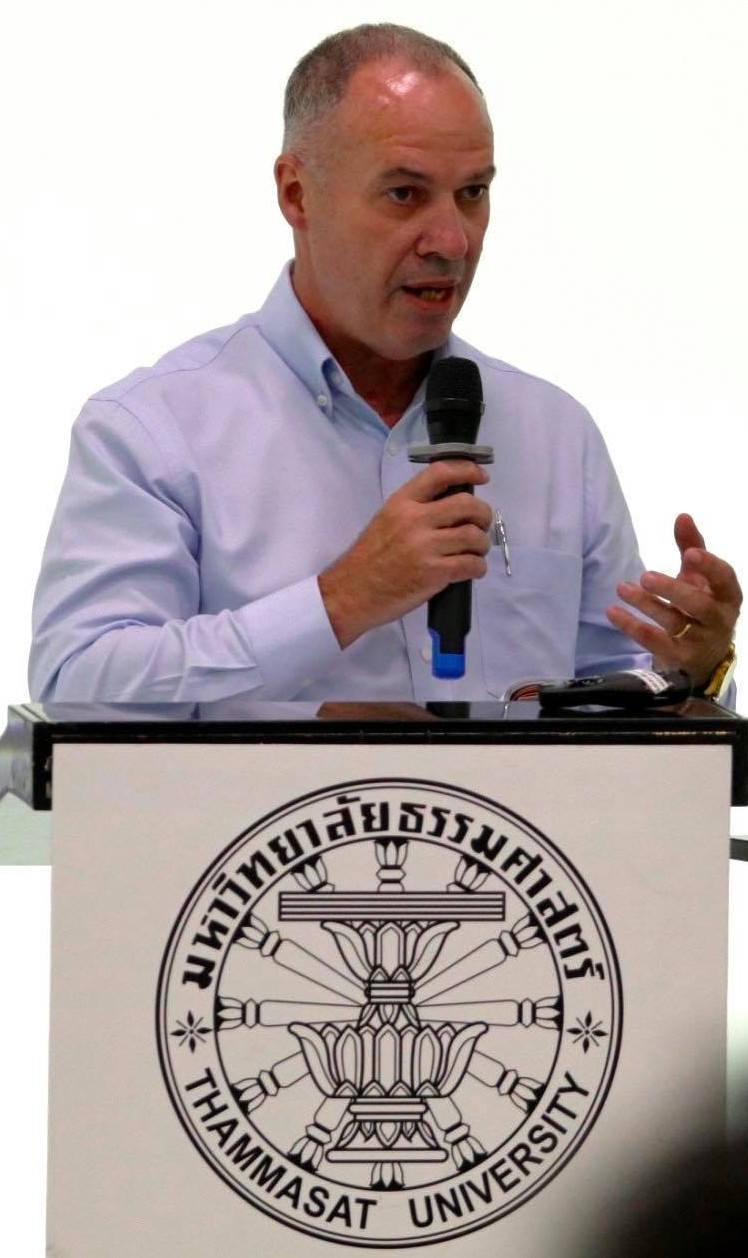
Kim N. Irvine
Co-authors: Fa Likitswat1,2, Jitiporn Wongwatcharapaiboon2,3, Suntantana Nuanla-or1,2, Patcharawee Sakulaset1,2, Lihoun Teang1,2, and Thammarat Koottatep4
1 Faculty of Architecture and Planning, Thammasat University; 2 Nature-based Solutions in Water Management, Thammasat University Research Unit; 3 Design, Business, and Technology Management Program, Thammasat University; 4 Asian Institute of Technology, Thailand
Keynote Presentation:
Co-designing Nature-based Solutions for Enhanced Resilience within Low-Income Communities: The Necessity of a Multidisciplinary, Interdisciplinary Approach and the Role of Geography
This presentation summarizes the multi-stakeholder co-design process that we have undertaken with a low-income, peri-urban Bangkok community to construct vertical greenwalls for treating and re-using greywater in irrigating community gardens, as well as construction of other Nature-based Solution (NbS) features to manage flooding and blackwater discharges. The stakeholders include a multidisciplinary design team of landscape architects, engineers, business management, and geographers from local universities and government agencies who engaged in an inspiring interaction that very much was driven by the community vision. The co-design process was shaped by weekly meetings with the community committee and several larger community workshops over a three-year period in which NbS designs were iteratively discussed, presented, revised, and re-discussed, to final implementation.
An important theme of Geography is Human-Environment Interaction and in our project, Geography was well-situated to bridge between the technical (engineering) and design (landscape architecture) teams. If we examine the Singapore Lower Secondary Geography syllabus as an example, we see that it addresses guiding questions related to water, water availability, human use, and sustainable management of water resources. This syllabus also includes guiding questions on rainforests and mangrove ecosystems (i.e. biodiversity in an NbS context), how can we build sustainable cities, the relationship between housing, environment, and people (i.e. community thermal comfort, well-being, and resilience in an NbS context), and informal (or in our case low-income) housing. Our real-world case study embodied all of these guiding questions.
The successful implementation of our project can be attributed to a strong multidisciplinary, interdisciplinary interaction that included a foundation of Geography principles, but most importantly embraced the community vision and its traditional knowledge. Although some parts of the world, sadly, are shifting away gender, equity, and inclusion (GEI) principles, our study discovered nuanced differences based on gender, multi-generation, and mobility lenses. These differences are important in developing a cohesive NbS community design.
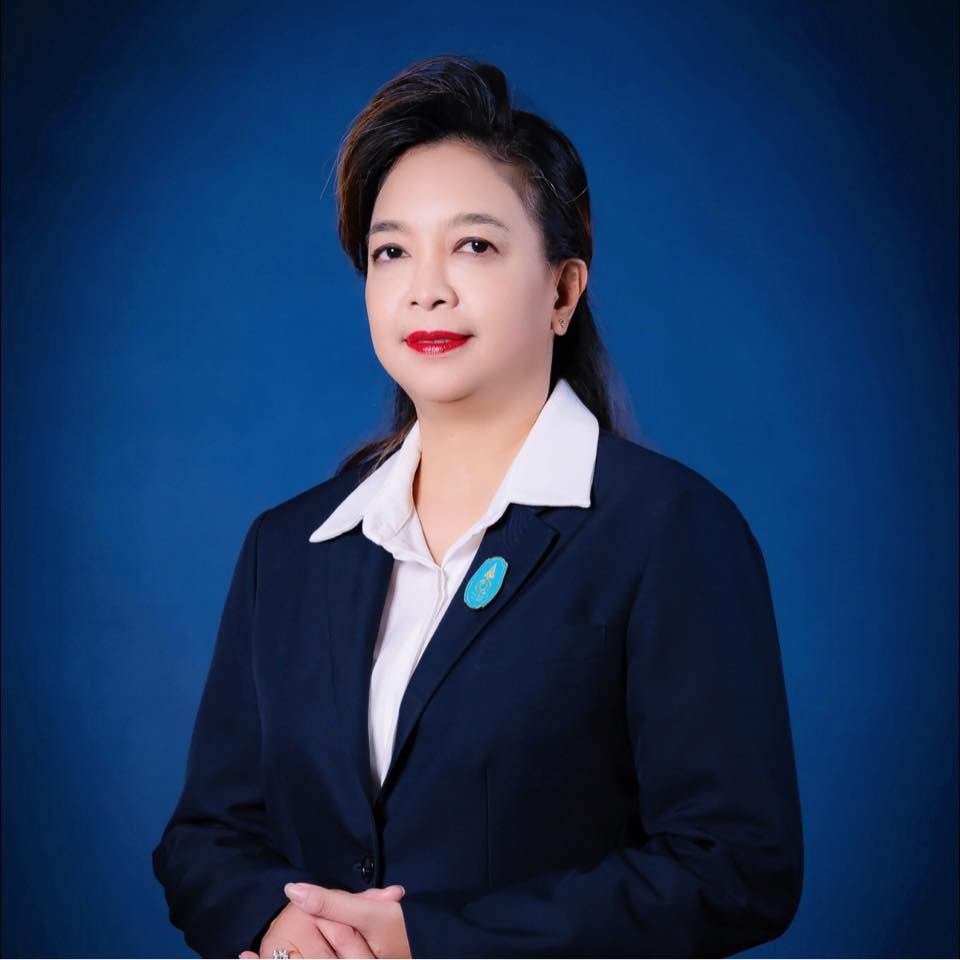
Fuangarun Preededilok
Keynote Presentation:
Bridging Worlds: Interweaving Development Education and Geography Education for Sustainability
In the face of increasingly complex global and regional challenges, education plays a pivotal role in fostering sustainable futures. This presentation proposes an integrative framework that bridges Development Education and Geography Education.
Development Education offers critical perspectives on social justice, human development, and participatory learning, while Geography Education plays a vital role in cultivating global understanding and critical spatial awareness. Integrating these fields enables a more holistic approach to sustainability education—one that responds effectively to real-world challenges across environmental, social, and economic dimensions, as reflected in both regional issues and global risks.
This presentation draws on a dissertation in Development Education in Thailand structured across several cognate areas: sociology of education, economics of education, and the humanities in education. It further incorporates interdisciplinary research that connects educational theory with policy and area-based practices.
The integration of these fields is demonstrated through both research and teaching practices, including learner-centered pedagogies. This approach emphasizes systems thinking, community engagement, and interdisciplinary learning. It also highlights the role of education systems in advancing SDG 4.7 by equipping learners with the competencies necessary for sustainable development, global citizenship, and transformative action.
By “bridging worlds” across disciplines, knowledge systems, and practice, this keynote advocates for a transformative educational paradigm—one that empowers learners to navigate complexity and contribute meaningfully to sustainable development in both local and global contexts.